

Handmade crafts connect people beyond just products. In small towns across the USA, the art of creating jewelry and cosmetics by hand plays a vital role in building stronger communities. This article is your simple and inspiring guide to making your own stylish accessories and beauty items using easy-to-find materials. Let’s explore how crafting by hand can boost confidence, creativity, and local bonds.
Why Do People Choose Handmade in Small Towns?
Many people between 25 and 45 years old turn to handmade jewelry and cosmetics to express individuality and find satisfaction in creating something unique. They often want pieces that stand out from mass-produced items and enjoy the relaxing process of crafting at home.
For these crafters, there are common questions like:
- How can I start making simple, stylish jewelry without expensive tools?
- What materials are safe and affordable for DIY cosmetics?
- How can handmade items help me feel more connected to my community?
The answer starts with understanding that handmade is not just about objects. It’s about the experience, discovery, and sharing that build stronger ties between neighbors and local artisans.
What Basic Materials Should I Use for Handmade Jewelry and Cosmetics?
Starting with accessible and affordable materials makes the crafting process less intimidating. Here’s a comparison table that shows popular choices, their benefits, drawbacks, and best uses:
| Material | Advantages | Disadvantages | Best For |
|---|---|---|---|
| Polymer Clay | Lightweight, easy to shape, bakes in a home oven | Needs proper baking time; can crack if overbaked | Colorful beads, charms, small jewelry pieces |
| Glass Beads | Shiny, durable, variety of colors and sizes | Fragile, can chip or break if dropped | Necklaces, bracelets, earrings |
| Wax (Beeswax, Soy Wax) | Natural ingredients, easy to melt and pour | Temperature sensitive; not as long-lasting as synthetic wax | DIY lip balms, scented candles, solid perfumes |
| Essential Oils | Natural fragrance and therapeutic benefits | May cause sensitivity if not diluted properly | Cosmetics, body oils, scented jewelry |
| Leather Cord | Durable, natural look, flexible | Can wear out with water, less suitable for sensitive skin | Necklaces, bracelets, chokers |
How Can I Make Stylish Jewelry at Home? Step-by-Step Basics
Creating your first piece can be simple and fun if you have clear instructions and a few basic tools like pliers, wire, beads, and clasps. Here’s how you can start:

- Choose your design: Pick a simple style like a beaded bracelet or pair of stud earrings.
- Prepare materials: Gather beads, wire, clasps, and pliers for shaping.
- Cut wire or cord: Measure to fit the wrist or neck plus a bit extra for fastening.
- String beads: Layer colors or textures for visual interest.
- Seal ends: Secure clasps or tightly knot cord ends.
- Finish with polish or charm: Add a personal touch like a pendant or varnish glaze.
This approach encourages experimentation and builds your skills with every piece you create.
What Are Easy DIY Cosmetic Projects for Beginners?
Many small-town crafters enjoy making simple, natural cosmetics like lip balms or body scrubs. Here’s a quick guide for a basic lip balm:
- Ingredients: beeswax pellets, coconut oil, a few drops of your favorite essential oil
- Steps:
- Melt beeswax and coconut oil in a double boiler.
- Remove from heat and add essential oil.
- Pour into small containers and let cool.
- Label and enjoy your gift or personal treat!
This project requires minimal tools and offers a great sense of accomplishment.
What Mistakes Should I Avoid When Starting Handmade Projects?
Even simple crafts come with common pitfalls that can be frustrating. Here are five frequent errors and how to prevent them:
- Using poor-quality beads or materials: It may be tempting to buy cheap supplies, but low-quality materials can break easily and ruin your project.
- Skipping measurements: Not measuring properly leads to jewelry that doesn’t fit well or cosmetics that don’t set right.
- Ignoring safety instructions: Some materials, especially essential oils, can irritate skin if used incorrectly.
- Rushing steps: Hurrying through drying or baking can damage your work.
- Not practicing proper storage: Handmade cosmetics often need to be stored away from heat and light to last longer.
Expert Advice #1
Advice from Lisa Moore, Jewelry Instructor: “Always start with simple projects and practice basic techniques before moving on. Mastering threading, knotting, or wire wrapping will save time and frustration later.”
How Does Handmade Strengthen Community Bonds?
Creating together brings people closer. What often happens is:
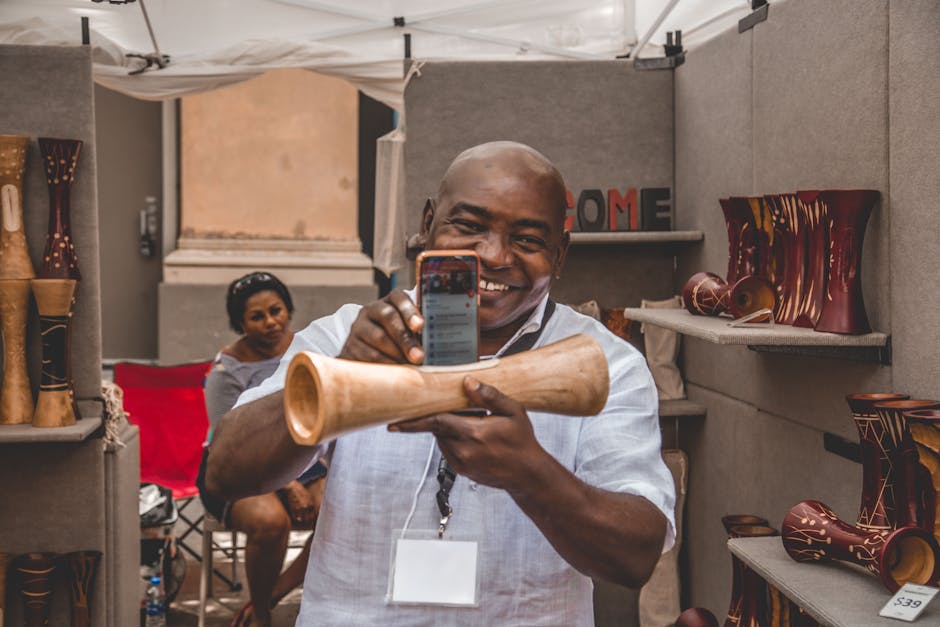
- Sharing supplies or tools between neighbors.
- Organizing crafting meet-ups and workshops.
- Trading or gifting handmade items.
- Supporting local sellers during events like fairs or farmers’ markets.
Each act builds trust, appreciation, and shared joy. Handmade projects give people reasons to meet, talk, and celebrate their creativity.
Expert Advice #2
Advice from Karen White, Community Arts Coordinator: “Encourage beginners to join local crafting groups. The social aspect is just as important as learning skills. It’s a great way to find motivation and inspiration.”
Which Materials Are Best for Jewelry and Cosmetics Beginners?
To help you decide, here is a quick summary for starters:
- Jewelry: Polymer clay for colorful beads, leather cords for natural texture, and glass or acrylic beads for sparkle.
- Cosmetics: Beeswax and coconut oil as base ingredients, with essential oils for fragrance.
- Tools: Basic pliers, bead mats, double boiler (or a heat-safe bowl with a pot), and measuring spoons.
How Can You Make Handmade Projects More Successful?
Remember these three practical tips:
- Plan your project fully before starting — gather all materials and understand the steps.
- Set aside focused time — crafting is more rewarding without distractions.
- Be patient — mistakes are part of learning; each piece teaches something new.
Common Pitfalls and Their Impact
Let’s take a closer look at three mistakes to avoid:
- Error: Using too much essential oil in DIY cosmetics.
Why it happens: People want strong fragrance or therapeutic effect.
Cost: Overuse can irritate skin or cause allergic reactions, making the product unusable and unsafe. - Error: Not securing jewelry clasps properly.
Why it happens: Rush or lack of skill.
Cost: Jewelry may fall off and get lost, causing frustration and wasted materials. - Error: Using incompatible materials that don’t last.
Why it happens: Trying to save money or unaware of material properties.
Cost: Finished items break quickly, reducing confidence and satisfaction in handmade work.
Wrap-Up: Why Try Handmade and How to Begin?
Making your own jewelry and cosmetics is more than a hobby. It builds confidence, showcases your unique style, and strengthens the ties in your small-town community. With simple materials and clear steps, anyone can start creating meaningful, lasting pieces.

Keep your projects straightforward at first, avoid common mistakes, and connect with others who share your interests to enjoy the full benefits of handmade crafts.
Additional Tips and Resources for Beginners
- Look for local craft supply stores or online shops with beginner-friendly kits.
- Join social media groups focused on handmade crafts for ideas and support.
- Visit community centers or libraries for crafting classes or meet-ups.